First aid for every Australian workplace
Twenty industry verticals, each with the WHS requirements, the most common injuries and the AI-guided first aid steps that match. Built around Australia's HLTAID certifications and the St John Australian First Aid 5th Edition.
Tier 1 — High-priority, high-risk verticals
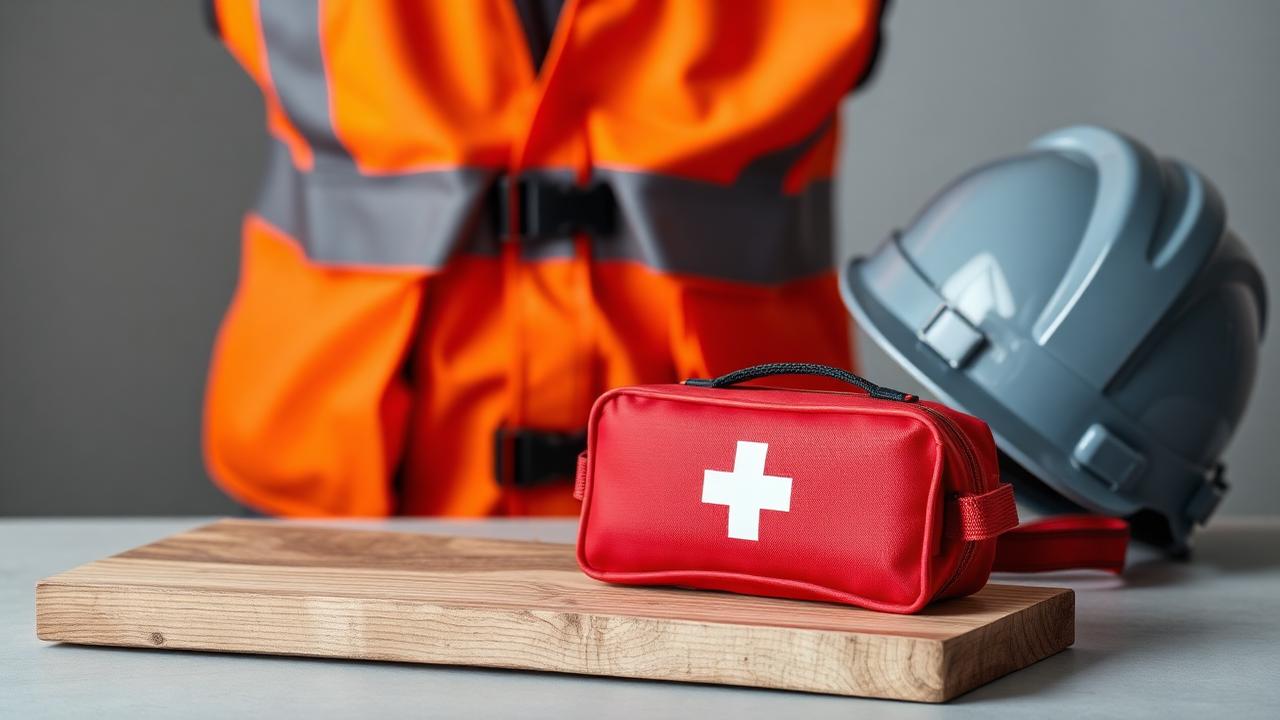
Construction
1.4M+ workers · Risk: High
Falls, crush injuries, power-tool lacerations, eye injuries and chemical burns on Australian building sites — what to do in the first 10 minutes.
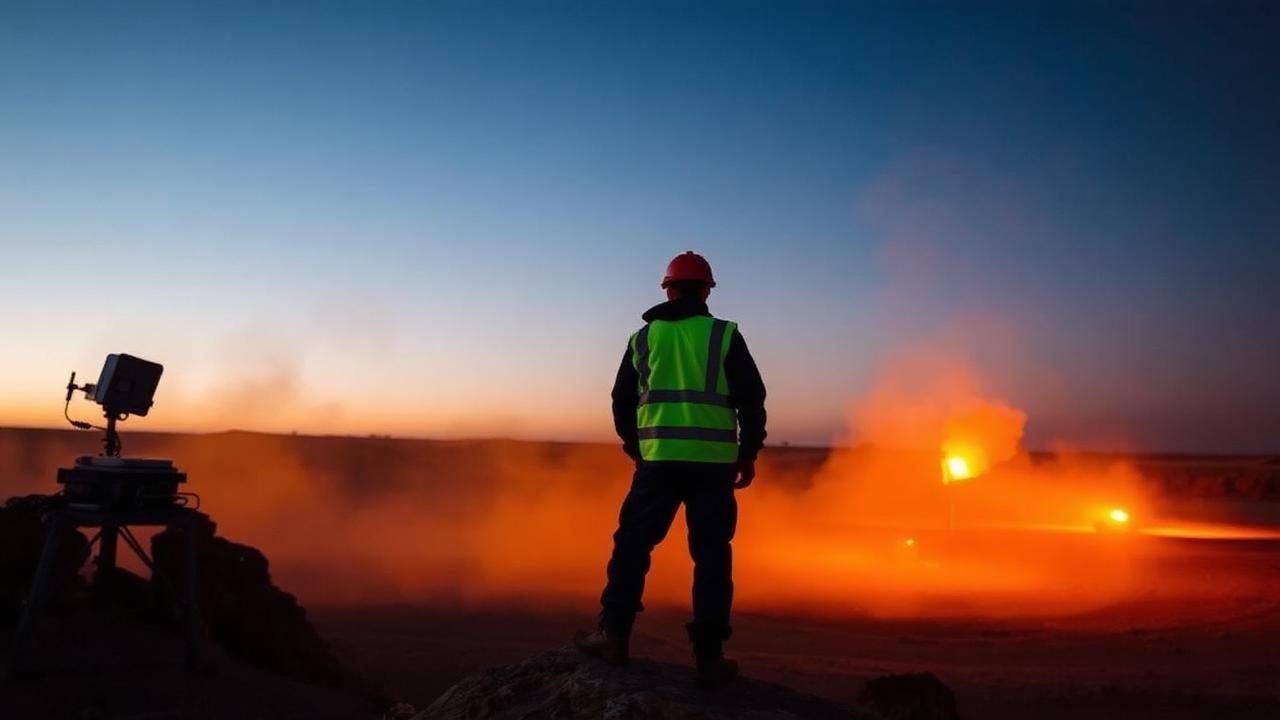
Mining
250,000+ workers · Risk: Extreme
Extended-care first aid for FIFO crews, underground operations and remote surface sites where evacuation can take hours.
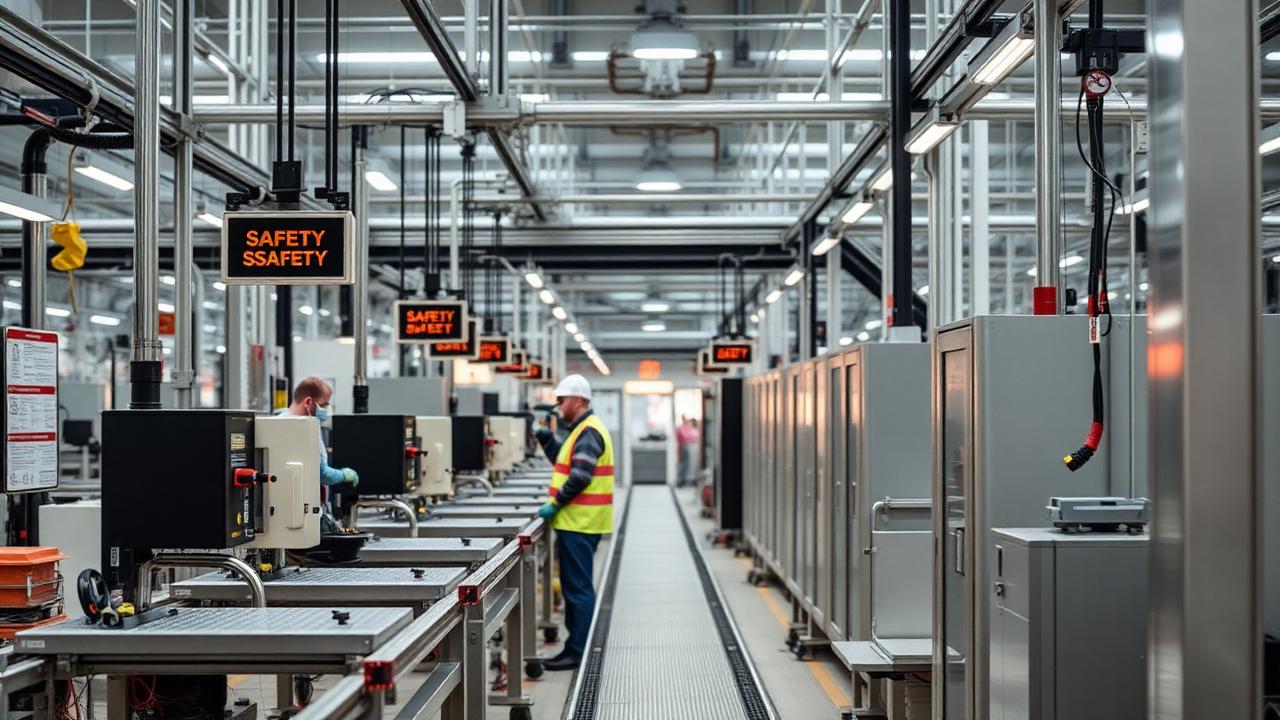
Manufacturing
850,000+ workers · Risk: High
Machinery entrapment, chemical burns, welding injuries and inhalation emergencies across food, metal, automotive, textile and plastics plants.
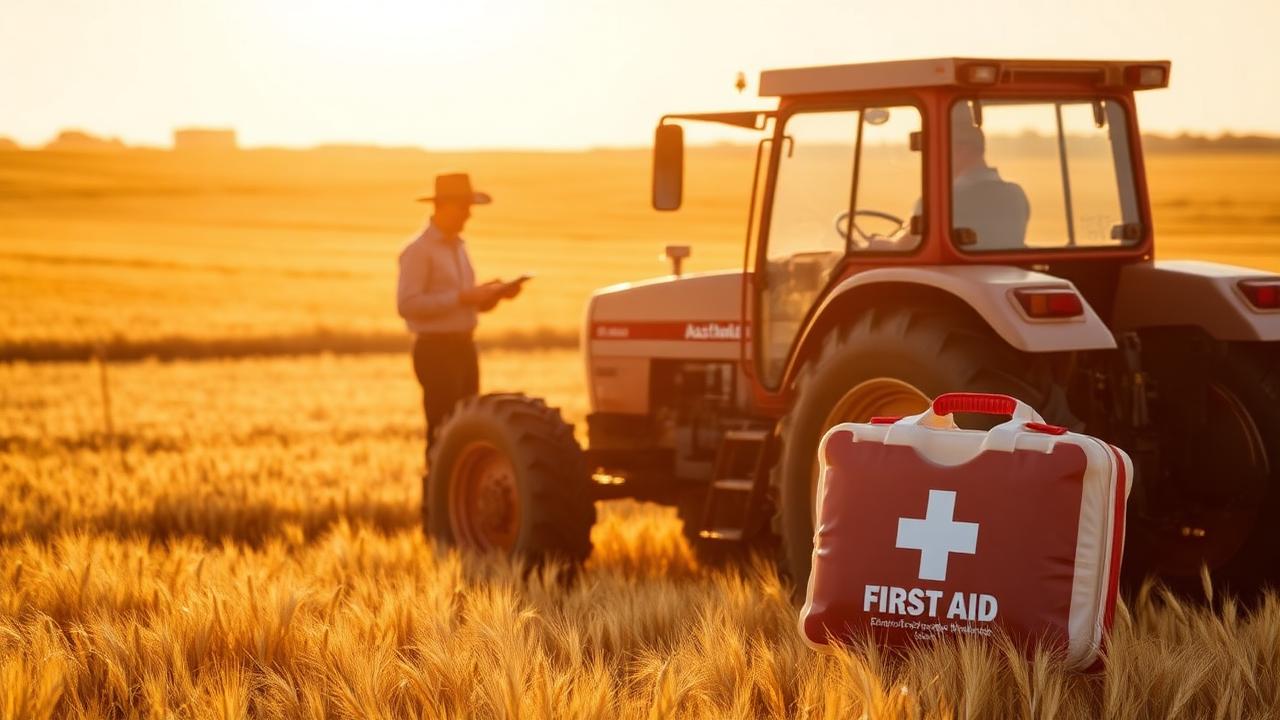
Agriculture
320,000+ workers · Risk: Extreme
Australia's highest injury rate per capita — farm machinery, livestock, snake bites, chainsaws and marine hazards, often hours from a hospital.

Healthcare & Aged Care
1.8M+ workers · Risk: Medium–High
Needlestick injuries, workplace violence, manual-handling injuries and infectious-disease exposure — protecting the workers who care for everyone else.
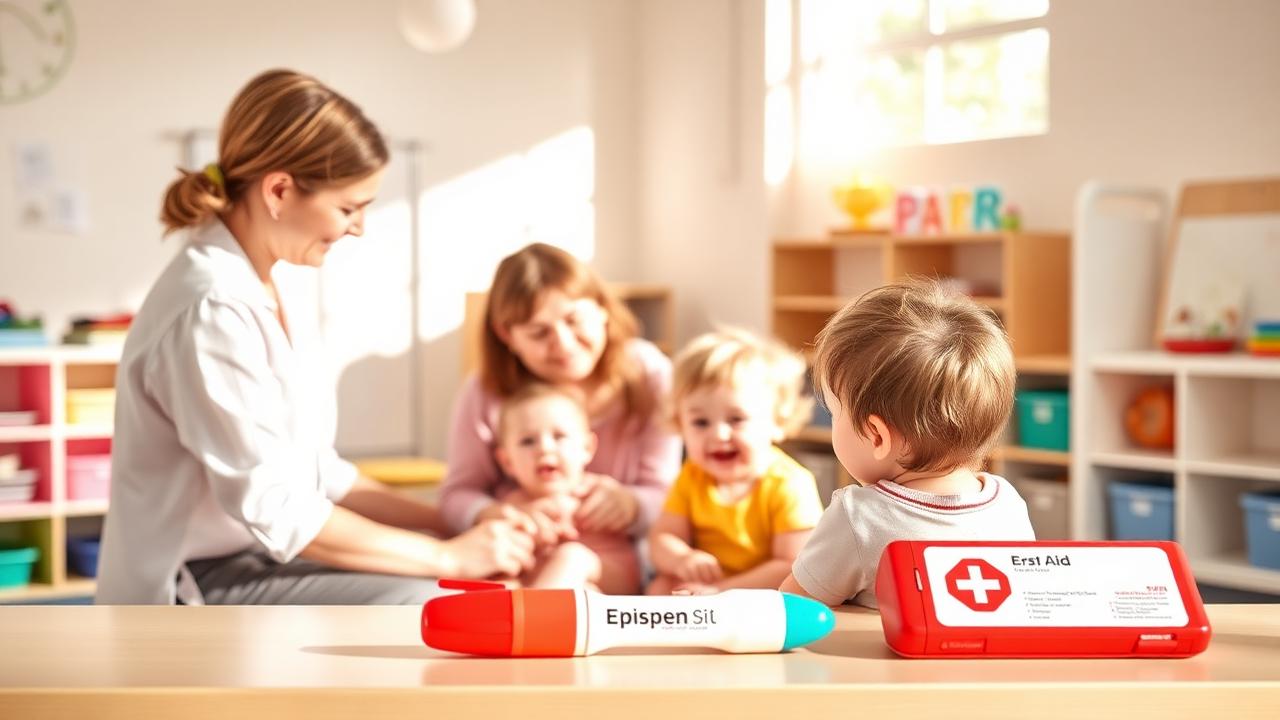
Education & Childcare
380,000+ workers · Risk: Medium (child = High)
Choking infants, anaphylaxis, asthma attacks, febrile convulsions and playground injuries — mandatory HLTAID012 territory.
Tier 2 — Large workforce, standardised requirements

Retail
1.3M+ workers · Risk: Low–Medium
Customer medical emergencies, manual-handling injuries, slips, robbery trauma and burns across supermarkets, pharmacy, petrol and shopping centres.
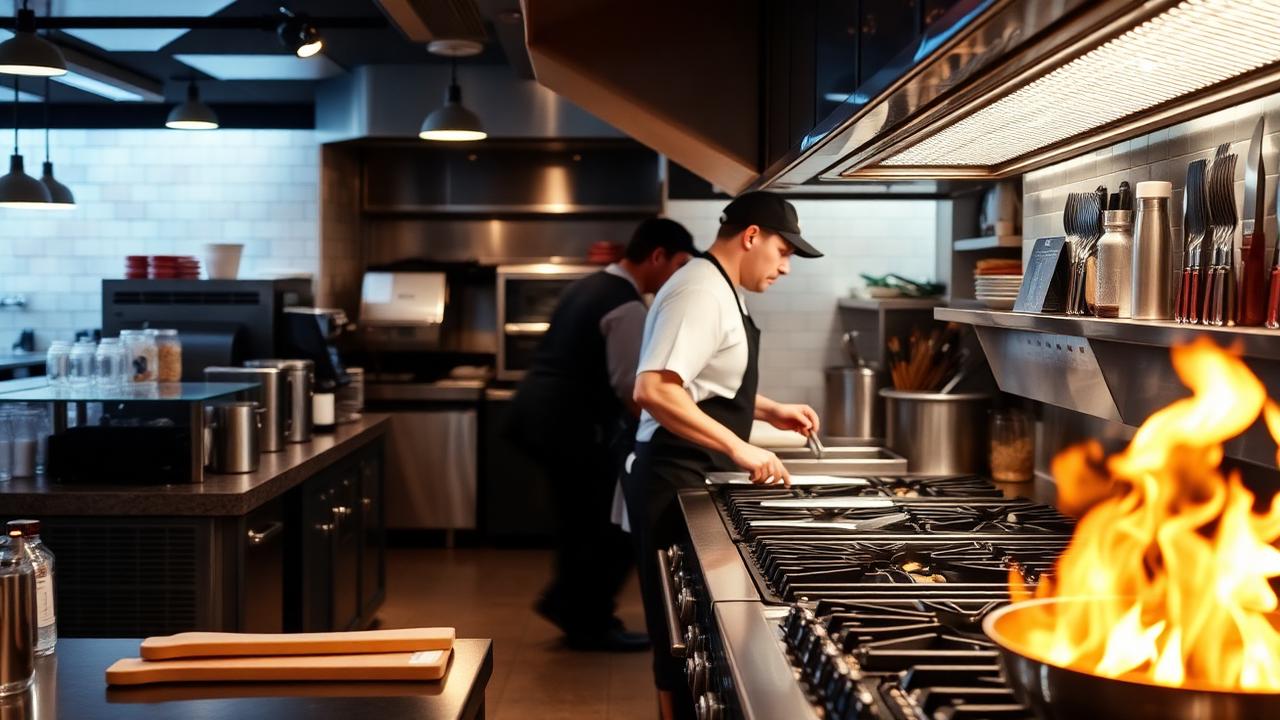
Hospitality
900,000+ workers · Risk: Medium
Kitchen burns, knife cuts, choking diners, anaphylaxis from allergens and alcohol-related incidents — the most predictable injuries in food service.
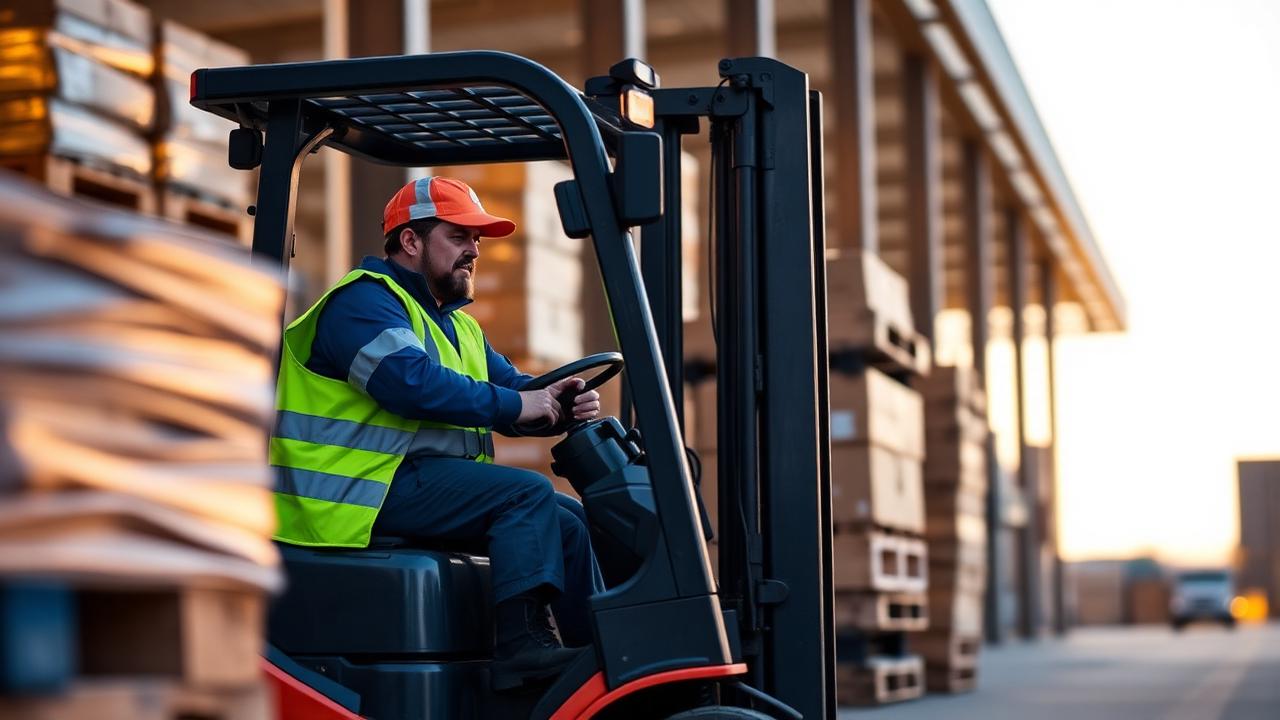
Transport & Logistics
650,000+ workers · Risk: Medium–High
Truck drivers, warehouse crews, aviation and maritime workers — vehicle trauma, forklift incidents, loading injuries and remote-route emergencies.
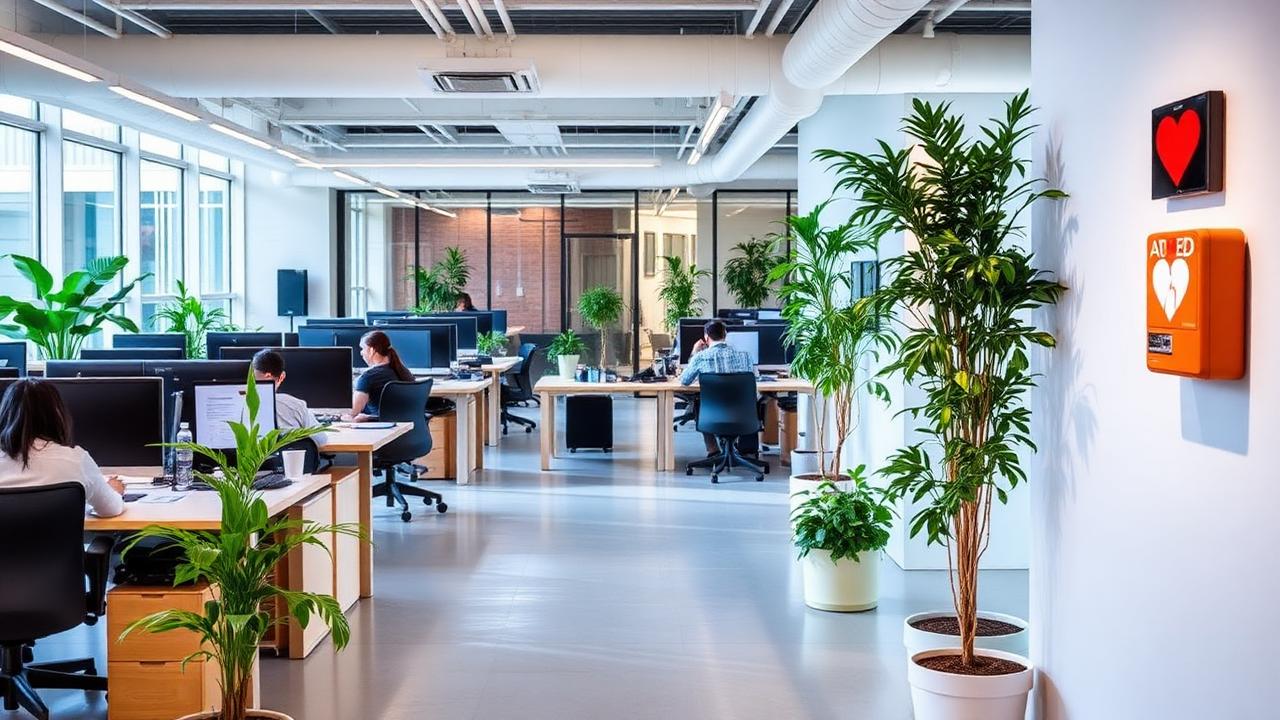
Office
2.1M+ workers · Risk: Low
Cardiac events, choking, mental-health crises and slips — Australia's largest workforce, lowest risk but highest need for AED awareness.
Tier 3 — Specialised settings & smaller workforces
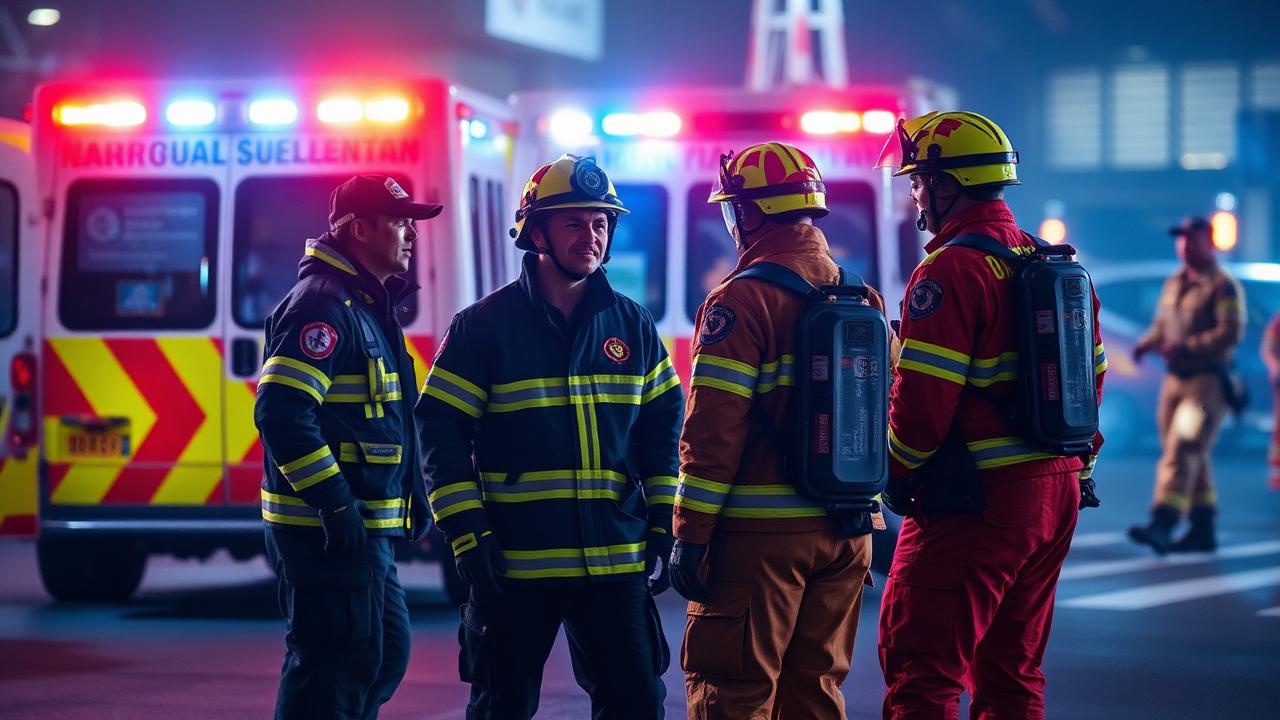
Emergency Services
85,000+ workers · Risk: Extreme
When first responders need first aid — firefighter burns, police assault injuries, smoke inhalation and operational PTSD.

Aviation
60,000+ workers · Risk: High (regulated)
Cabin crew, ground staff and aerospace workers — turbulence, in-flight emergencies, decompression and aircraft-maintenance injuries.
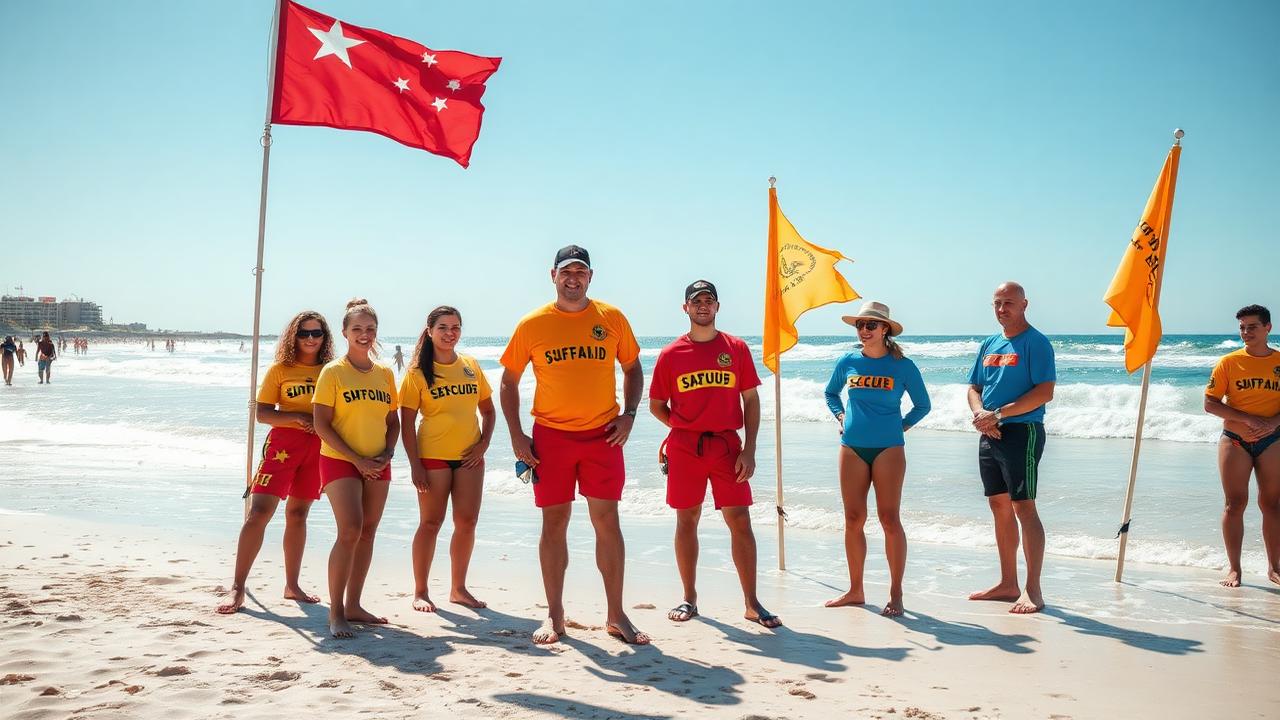
Aquatic & Leisure
180,000+ workers · Risk: Medium–High
Lifeguards, gym staff and sports facility workers — drowning, spinal injuries from diving, sudden cardiac events and marine stings.
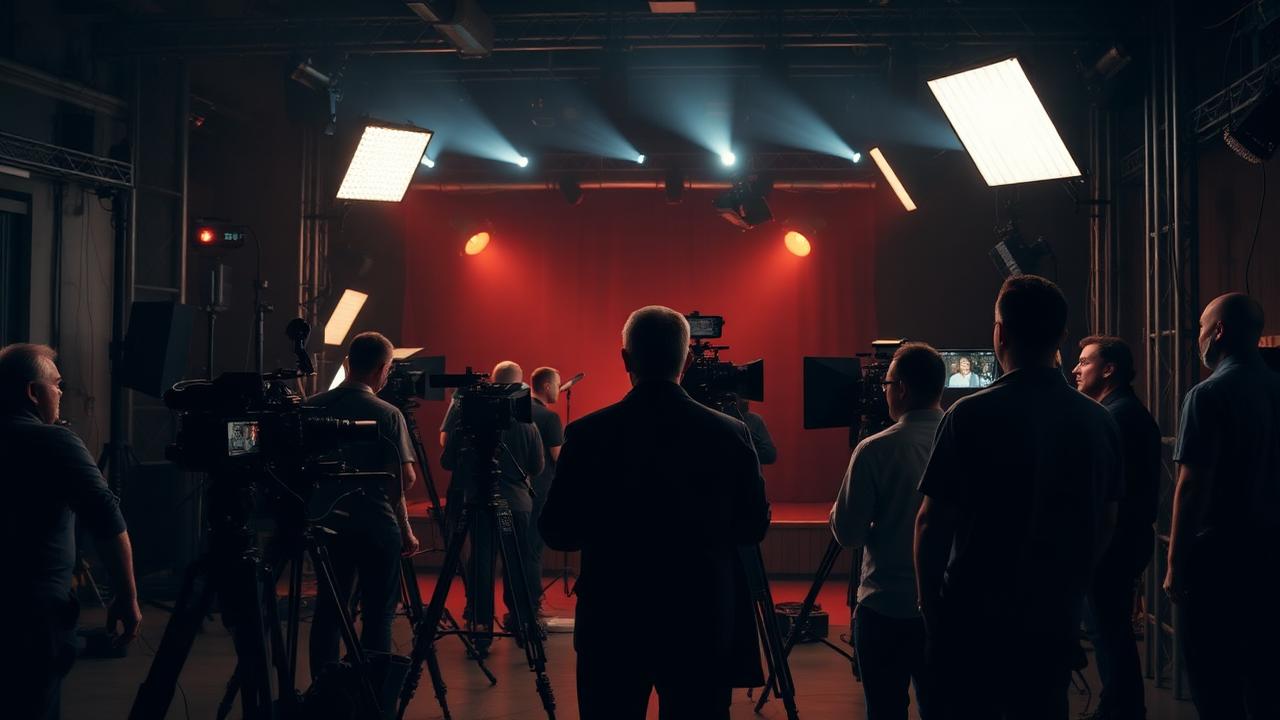
Entertainment
65,000+ workers · Risk: Medium–High
Crew, performers and event staff — rigging falls, pyrotechnic burns, stunt injuries and crowd medical events.

Laboratory & Research
40,000+ workers · Risk: High
Chemical exposure, biohazard contamination, cryogenic burns and lab eye injuries — university, hospital and industrial research settings.
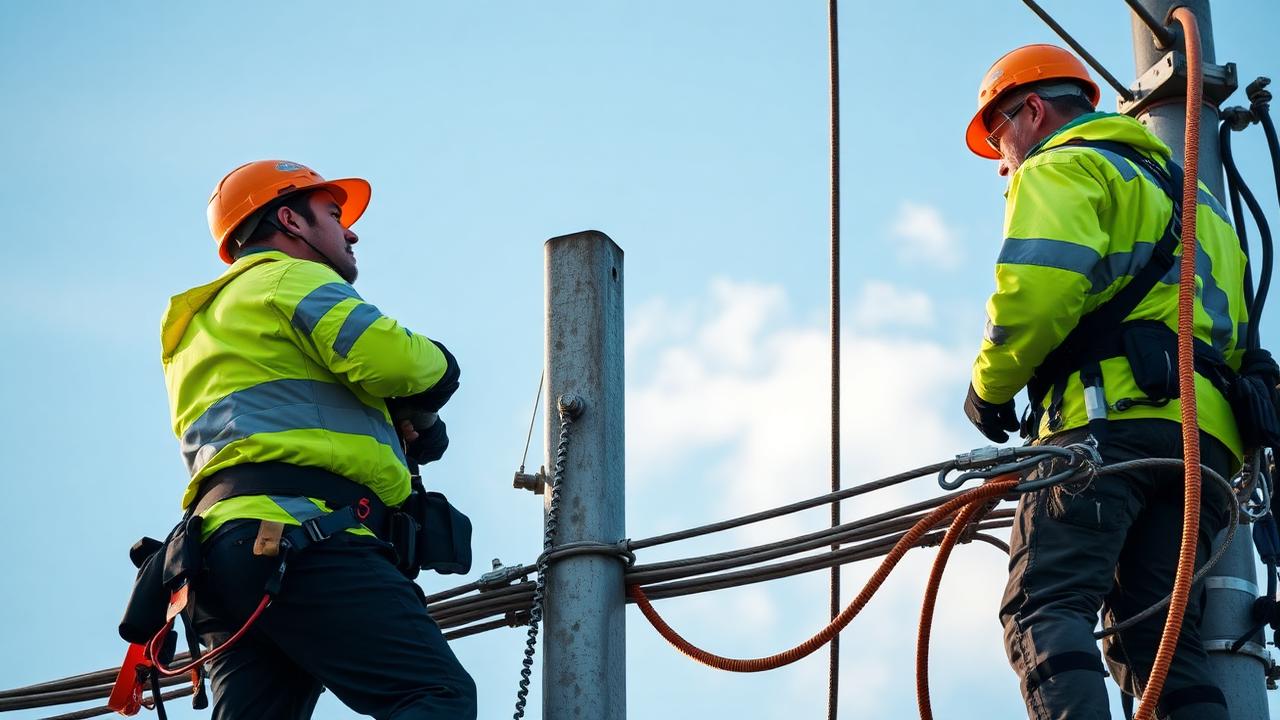
Utilities & Telco
120,000+ workers · Risk: Extreme
Electrical, water, gas and telecommunications workers — high-voltage shock, arc flash, falls from towers and confined-space rescue.
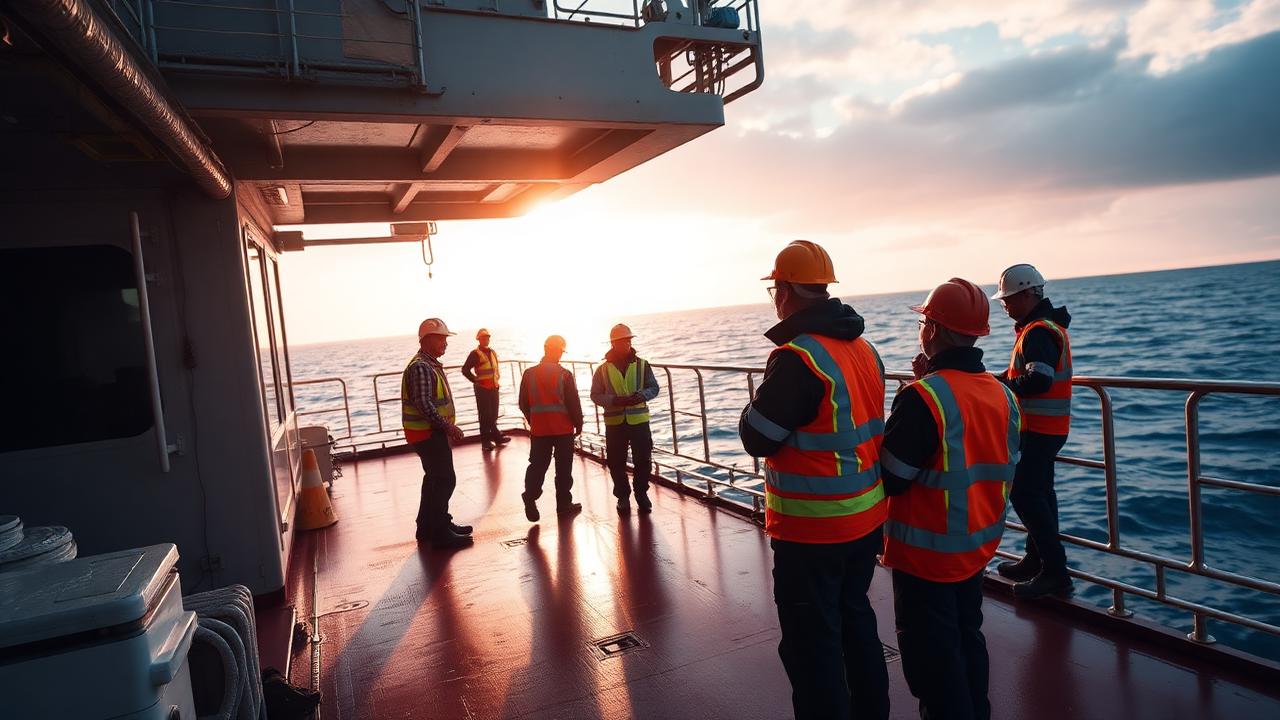
Maritime & Offshore
45,000+ workers · Risk: Extreme
Oil & gas, shipping and port workers — man-overboard, hypothermia, helicopter evac and multi-day extended-care offshore.

Waste & Recycling
55,000+ workers · Risk: High
Garbage truck crews, transfer station and recycling facility staff — needlesticks, chemical exposure and compactor crush injuries.

Security & Corrections
85,000+ workers · Risk: High
Security officers, armed guards and corrections staff — assault wounds, stab and gunshot trauma, restraint injuries and overdose response.

Beauty & Wellness
95,000+ workers · Risk: Low–Medium
Salons, spas and personal-care studios — chemical burns from treatments, allergic reactions, hot-tool burns and client medical emergencies.